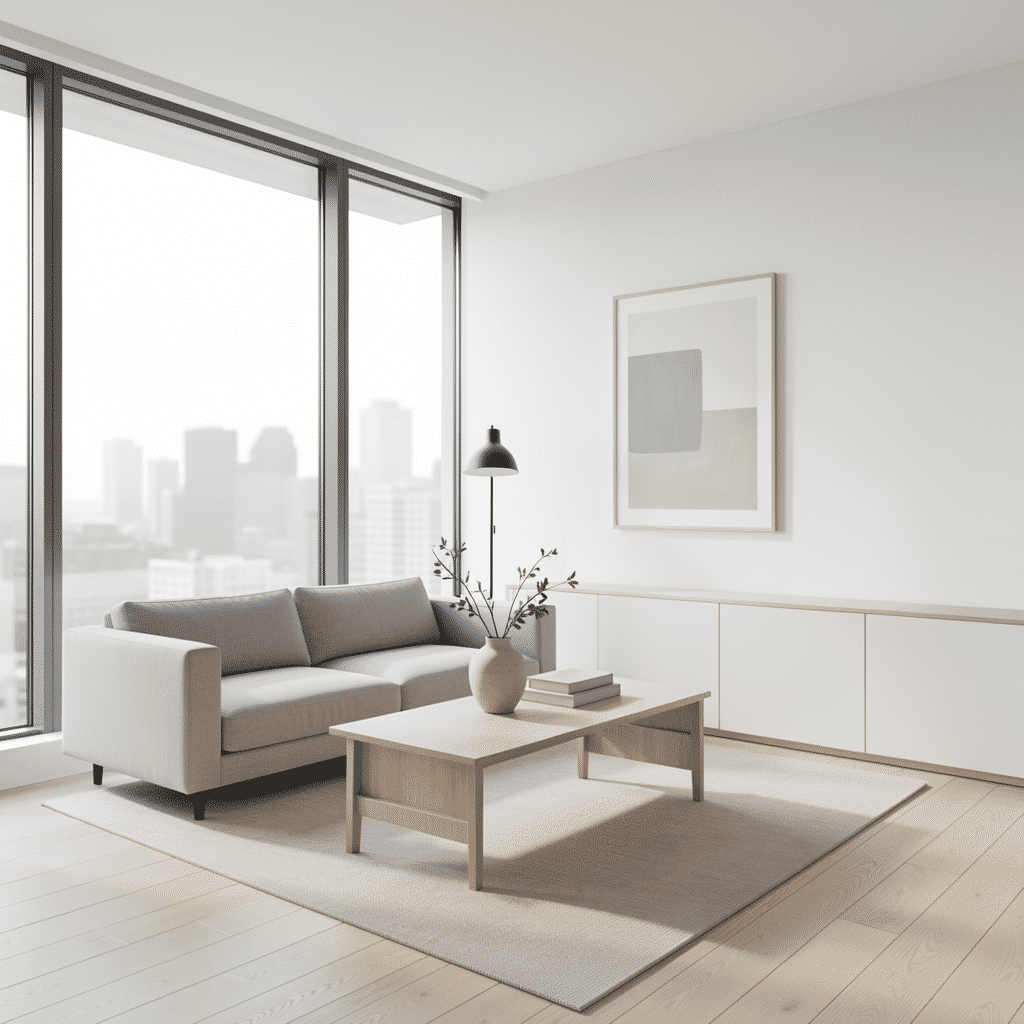
In an age where urban living often translates to compact spaces and fast-paced lifestyles, the allure of minimalist design has never been more captivating. Embracing the mantra "less is more," this design approach offers a harmonious blend of elegance and functionality, creating environments that resonate with tranquility and purpose.
At the heart of minimalist design is the idea of decluttering both space and mind. By eliminating non-essential items and focusing only on what truly matters, minimalist design provides a canvas for creativity without chaos. This not only results in visually pleasing interiors but also optimally utilizes available space, a crucial feature for urban dwellers.
Choosing a neutral color palette is foundational to achieving a minimalist aesthetic. Soft hues such as whites, greys, and beiges create an airy atmosphere, reflecting light and making spaces appear more expansive. The subtlety of these colors provides a calming backdrop that allows for personalization through textures and occasional pops of color, such as a vibrant cushion or a statement piece of art. This infusion of color can reinvigorate a room without overwhelming it.
Furniture plays an equally significant role in minimalist design, focusing on functionality and streamlined aesthetics. Think sleek, uncluttered pieces with clean lines and versatile functionality. A modular sofa, for instance, can serve dual purposes—accommodating guests and providing hidden storage for extra throw blankets or books. By prioritizing pieces that offer multi-functionality, minimalist designs ensure every item has a purpose, enhancing both utility and style.
Lighting is another critical component, offering warmth and emphasizing simplicity. Opting for natural light, wherever possible, draws attention to design elements by creating beautiful contrasts and shadows. Supplementary lighting in the form of understated fixtures, such as pendant lights or floor lamps, can add an element of sophistication without disrupting the overall aesthetic.
Incorporating natural elements further adds to the minimalist charm. Indoor plants, whether a singular large plant or a curated collection of smaller succulents, can breathe life into a monochromatic room. Wooden elements, stone accents, or linen textiles can also complement the organic elegance of the space, making it feel cozy and inviting.
Minimalist design is not just a visual feast; it's a lifestyle choice that encourages intentional living and the appreciation of simplicity. By surrounding ourselves with only the essentials, we can focus on experiences that truly enrich our lives. This approach also fosters sustainability, urging us to consume less and make more mindful choices about what we bring into our spaces.
In conclusion, minimalist design with maximum impact is all about creating a serene and efficient oasis in the hustle of urban life. It's about making smart choices that reflect our identities without overwhelming our senses or our spaces. By embracing simplicity, we can transform our homes into calm, stylish sanctuaries that offer both aesthetic pleasure and practical living.