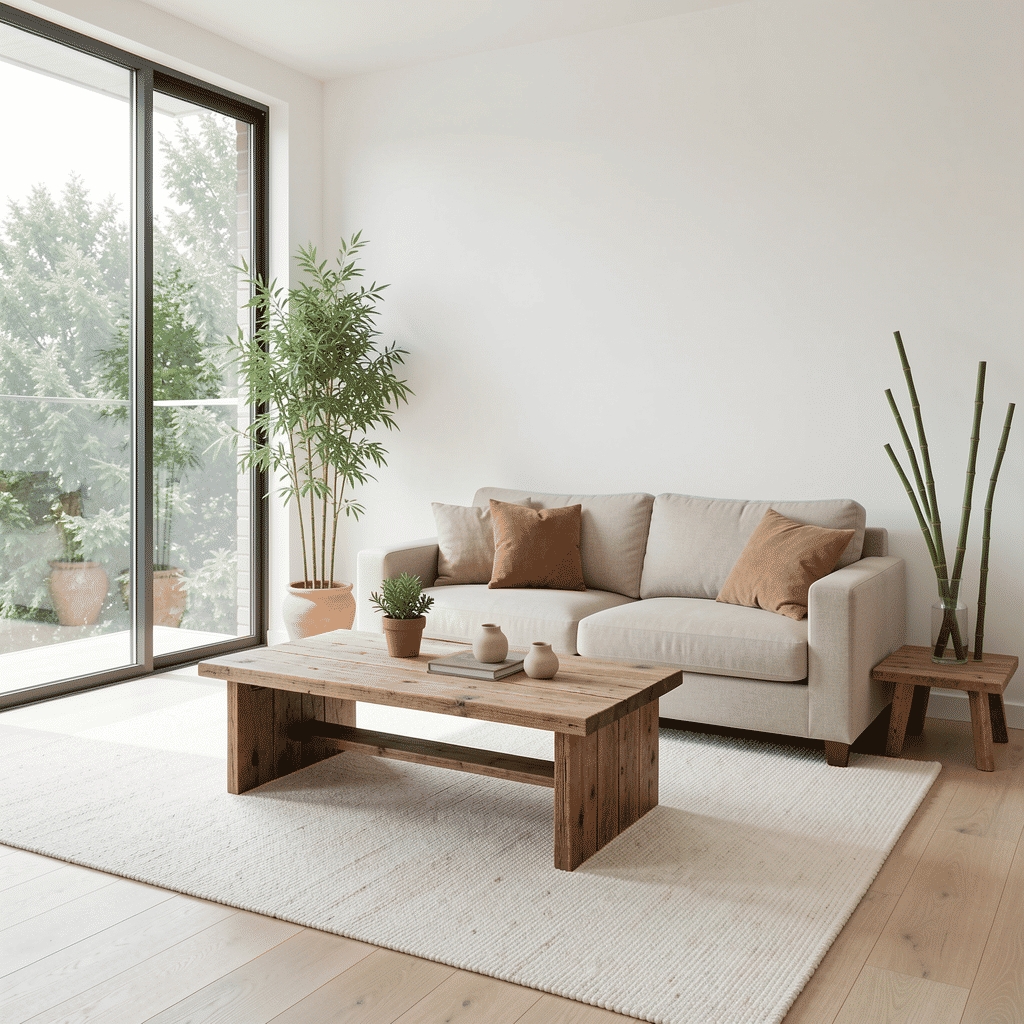
In recent years, the interior design industry has witnessed a significant shift towards sustainability, driven by a growing awareness of environmental issues and a rising demand for healthier living spaces. This trend is encouraging homeowners and designers alike to explore sustainable materials that not only minimize environmental impact but also offer aesthetic appeal and functional benefits.
One of the most prominent eco-friendly materials making waves in modern homes is bamboo. Known for its rapid growth and renewability, bamboo is an excellent alternative to traditional hardwoods. It is incredibly versatile, used in everything from flooring and cabinetry to furniture and decorative items. Its strength and natural beauty make it a popular choice for creating cozy, sustainable interiors.
Reclaimed wood is another sustainable material gaining popularity. Utilized for its rustic charm and historical narrative, reclaimed wood is sourced from old buildings, barns, and factories. This not only reduces the demand for newly harvested timber but also adds unique character and warmth to any space. Whether it's used as flooring, wall paneling, or furniture, reclaimed wood brings a sense of history and sustainability to modern homes.
Cork is an often overlooked yet highly sustainable option for interior design. Harvested from the bark of cork oak trees, which regenerate themselves, cork is incredibly eco-friendly and biodegradable. Its sound-absorbing properties and natural insulation make it perfect for flooring and wall coverings. Additionally, cork’s resilience and softness underfoot contribute to its growing popularity.
Recycled metal is also making its way into contemporary home interiors. Metals like aluminum and steel can be recycled indefinitely, reducing the need for new material extraction and minimizing waste. Designers are using recycled metal for everything from countertops and cabinetry hardware to furniture and decorative accessories, providing a modern, industrial touch that is both sustainable and stylish.
Another sustainable material making an impact is glass, particularly recycled glass. Used in a variety of applications, recycled glass can create stunning countertops, backsplashes, and decorative objects. The process of recycling glass not only lessens the burden on landfills but also reduces the energy used in manufacturing new glass products. Its versatility and aesthetic appeal make recycled glass a favorite among eco-conscious designers.
Natural textiles are also playing a crucial role in sustainable interiors. Materials such as organic cotton, linen, hemp, and wool are free from synthetic chemicals and promote healthier indoor air quality. These textiles offer comfort and style while being kinder to the environment. Moreover, they are often dyed using natural procedures that further minimize ecological impacts.
Finally, the integration of natural paints and finishes is essential in creating eco-friendly homes. Traditional paints can release harmful volatile organic compounds (VOCs) into the air, adversely affecting indoor air quality. Eco-friendly paints, however, are derived from natural materials such as clay, lime, and plant oils, providing a non-toxic alternative that is safe for both the environment and its inhabitants.
In conclusion, the use of sustainable materials in modern homes is not just a passing trend but a responsible shift towards a more sustainable future. As homeowners and designers become increasingly aware of the environmental impact of their choices, the demand for eco-friendly materials continues to grow. By incorporating sustainable materials such as bamboo, reclaimed wood, cork, recycled metal, and natural textiles, we can create beautiful, functional interiors that honor our planet and inspire future generations.