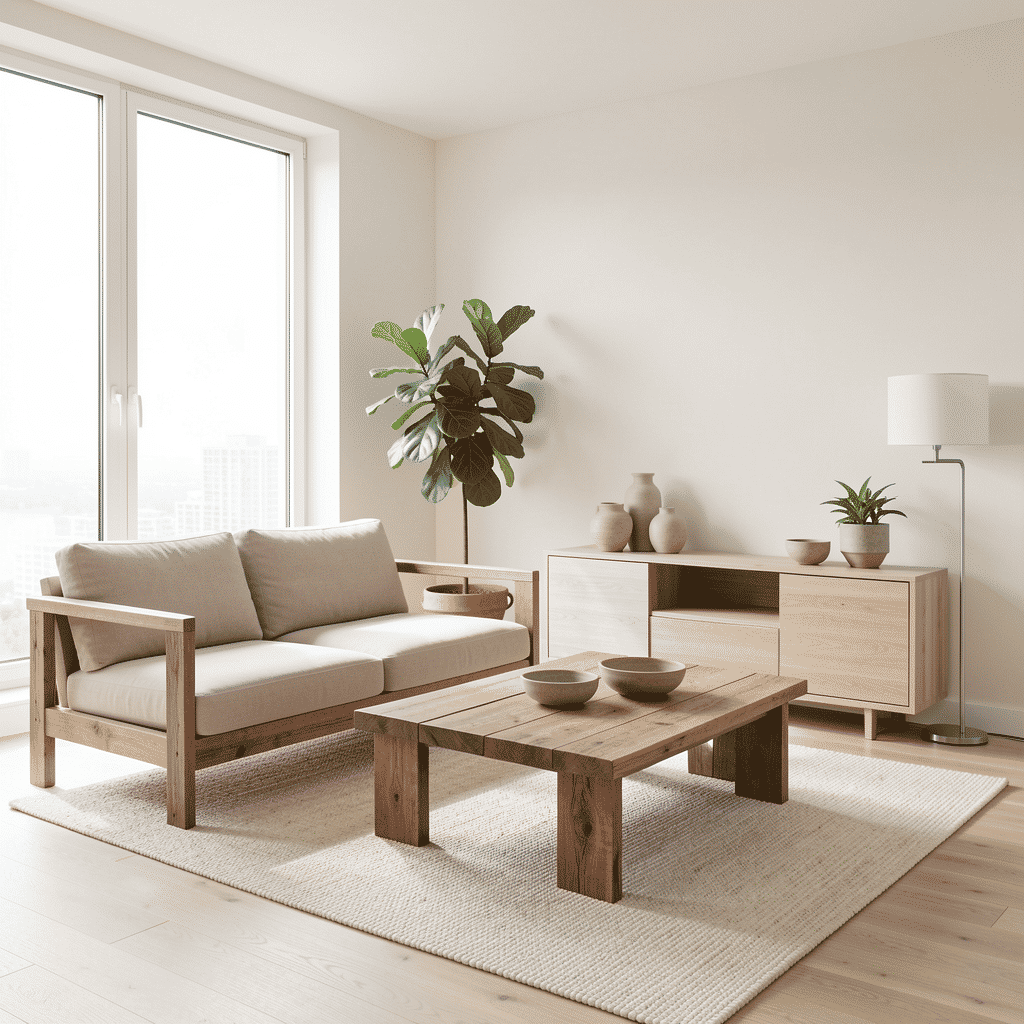
In an era where environmental consciousness is becoming increasingly imperative, the integration of sustainable designs into our daily lives offers a compelling way to contribute positively to the planet. These designs, thoughtfully conceived to reduce waste and minimize ecological impact, marry functionality with aesthetics, allowing individuals to enjoy both style and sustainability without compromise.
At the heart of sustainable design is the principle of reducing resource consumption through thoughtful innovation. By employing materials that are recycled, upcycled, or sourced from ethical and renewable origins, these designs extend the lifecycle of products while reducing the carbon footprint associated with production. Natural fibers, reclaimed wood, recycled metals, and biodegradable composites feature prominently, embodying the essence of eco-friendly materials.
Furthermore, the concept of sustainability in design is not restricted solely to materials but also embraces timelessness. By prioritizing durability and classic styles over fleeting trends, sustainable designs encourage long-lasting use. This approach mitigates the throwaway culture that has plagued modern consumerism, fostering a mindset of maintaining and cherishing the longevity of possessions.
Energy efficiency is another cornerstone. Whether through smart home technologies that optimize power usage or architectural designs that leverage natural lighting and passive heating, the aim is to create spaces that consume less energy while maintaining comfort and functionality. These thoughtful approaches not only contribute to environmental well-being but also translate into cost savings for homeowners and businesses alike.
Additionally, sustainable design considers the entire lifecycle of a product or structure, from its conception to its eventual disposal or reuse. This lifecycle thinking encourages designers and manufacturers to innovate with end-of-life in mind, ensuring products can be easily disassembled, recycled, or biodegraded.
Beyond the tangible aspects, sustainable designs foster a profound connection between individuals and their environment. By centering nature within living spaces—whether through green roofs, indoor plants, or windows that seamlessly merge indoor and outdoor settings—these designs enhance well-being and promote mindfulness about the natural world.
Communities and corporations are increasingly recognizing the value of sustainable designs, driving a collective shift towards eco-friendly living. As a result, green certifications and sustainability metrics are becoming a staple in evaluating the desirability and marketability of buildings and products. This transition is not just a trend but a crucial step towards a more harmonious relationship with our planet.
Ultimately, embracing sustainable designs presents an opportunity to redefine luxury and convenience by aligning them with ecological priorities. As consumers, we have the power to signify demand for such meaningful innovations, steering the market towards practices that support the health of our ecosystem. By choosing sustainable designs, we take a proactive step towards nurturing the only home we have—Earth—for future generations.